In this page, I wrote a summary of 5 selected projects I have done. They primarily highlight my experience on product and data science (mainly computer vision), which are the two domains I see my career heading towards. For my views on data science, look at the biography section at my home page.
In my current work at X0PA AI Pte Ltd, I focus on applying data science solutions to the HR domain, which mainly involves natural language processing. While my job title is data scientist, I contribute to the backend design for the Campus product as well.
At the same time, I also undertake freelance projects from existing clients during my free time.
If you would like to reach me to know more, feel free to use the contact section at my home page!
Implementation of AI to current colonoscopy process [computer vision] [freelance]
– Ongoing collaboration with Changi General Hospital (Department of Gastroenterology and Hepatology).
– Using training data from public databases and Changi General Hospital, we train and modify multiple modern computer vision algorithms to evaluate the performance in detecting polyps from actual colonoscopy videos.
Steps were taken to safeguard patient data and confidentiality for this study (i.e. masking of patient data and data is stored away from the Internet). This study was reviewed and approved by the Centralized Institutional Review Board (IRB) prior to commencement.
For pre-processing, we trained a simple convolutional neural network to differentiate between clear and blur images for training purposes. We then manually verify the clear images and labelling is then authenticated by experienced endoscopists.
We also experimented with multiple object detection algorithms (Faster R-CNN, SSD, YOLOv3) and chose YOLOv3 as our primary algorithm.
- Data Science Metrics:
Our system reported precision, precision, F1 Score, mAP (Pascal VOC definition) to be 68.3, 87.7, 76.8 and 73.1 respectively. - Clinical Metrics:
We managed to achieve a 100% polyp detection rate (all polyps detected at least once) and at the same time, we are able to process videos in real time (60 FPS) with a RTX 2070 GPU.
WSC Sports Social Media Performance Analytics [freelance]
Every year, I helped WSC Sports generate social media reports from the National Basketball Association [NBA] using data analytics. The reports contain analytics for the development team and key performance indicators, which were used to pitch to prospective clients and investors.
– After writing a proposal highlighting the methodology, budget and timeline, I led a team of members from Europe for data collection.
– Some computer vision/natural language processing methods were used. For example, we use Structual Similarity Index to look for specific similarities between segments of an image and also use term frequency-inverse document frequency (tf-df) to label certain words in a social media post.
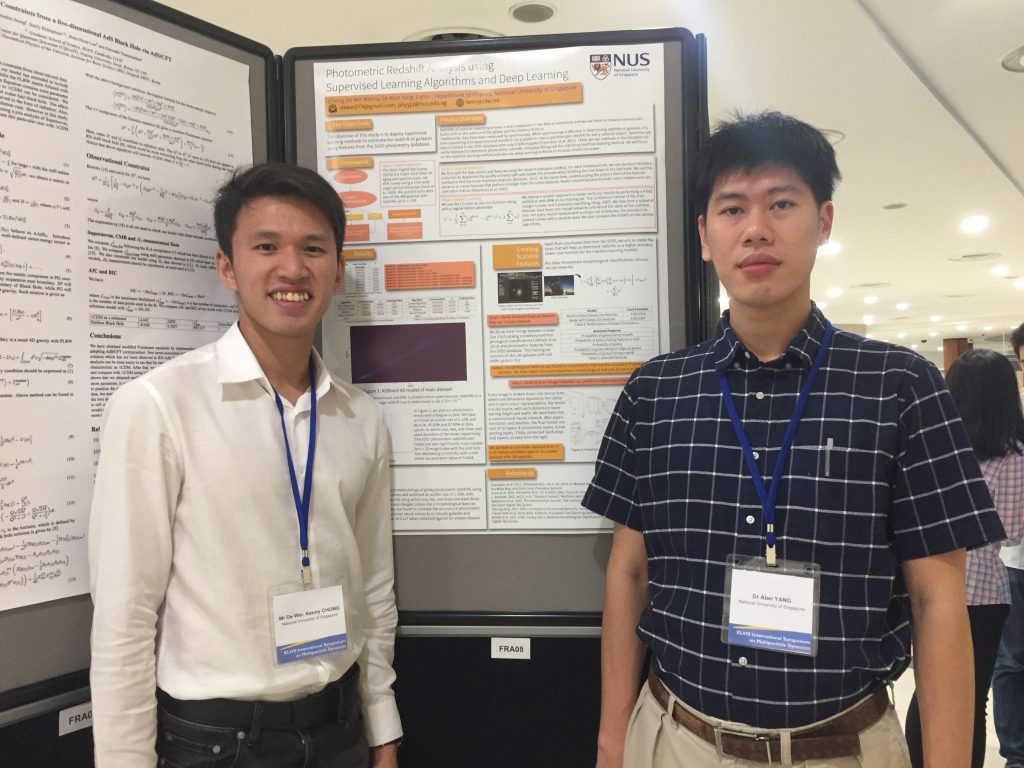
Photometric Redshift Analysis using Supervised Learning Algorithms and Deep Learning
Publication at https://arxiv.org/abs/1901.07544/ and https://tinyurl.com/epjConference
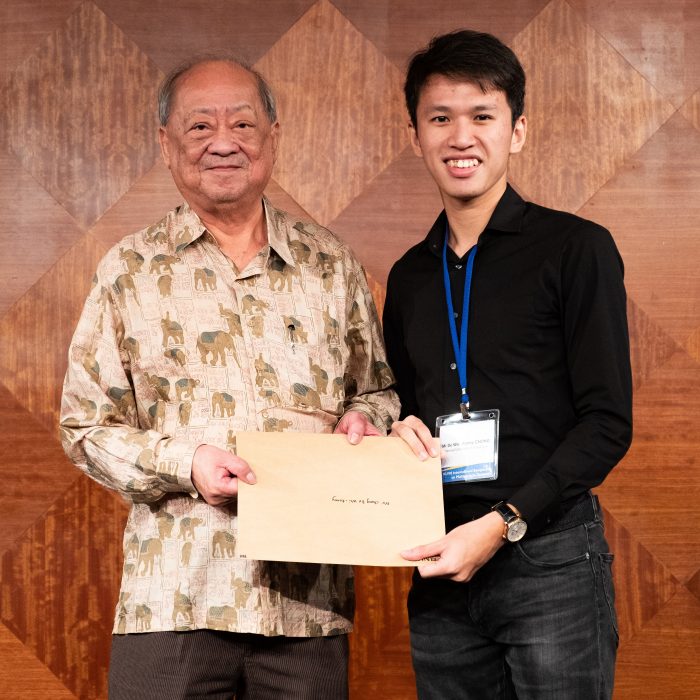
Winner of the Franco Rimondi Association award.
– Trained supervised learning algorithms (i.e. random forests, MLP, XGBoost) to calculate redshifts of galaxies using photometric attributes.
– Added morphological features (shapes of galaxies) along with photometric features and build an image classifier using the idea of convolutional nets (CNNs) and achieve results.
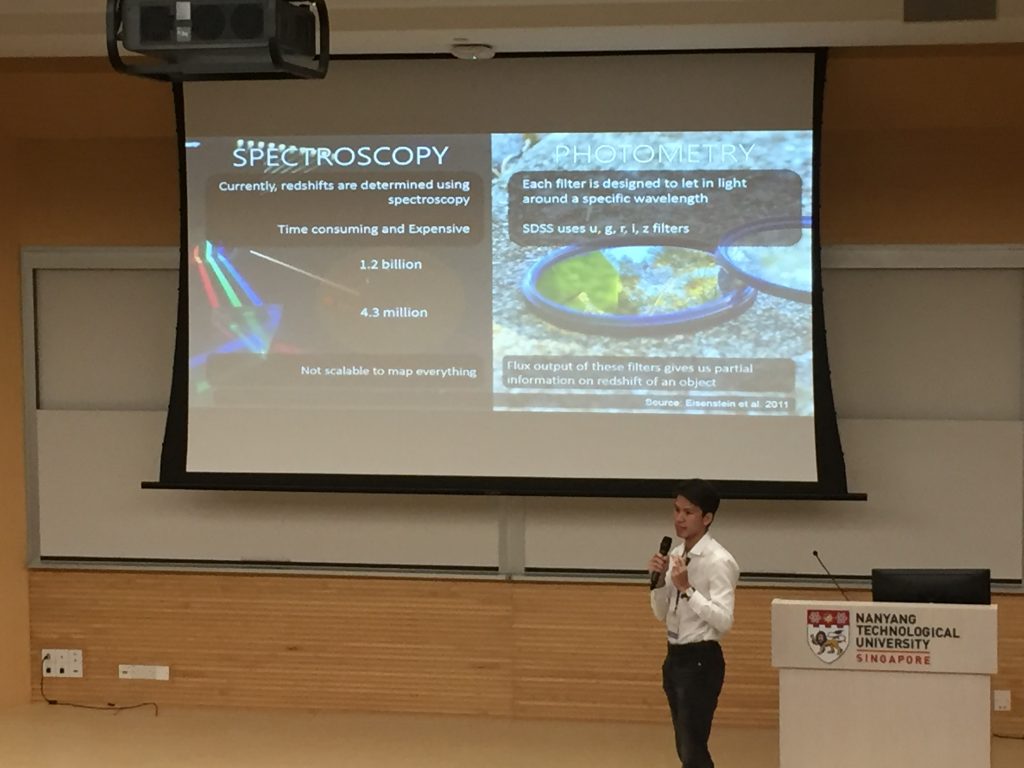
– Presented at the XLVII International Symposium on Multiparticle Dynamics during September 2018.
From the Sloan Digital Sky Survey (SDSS) catalogue, we employ various supervised learning algorithms (linear regression, random forests, neural networks, XGBoost to calculate redshift using photometric attributes on a spectroscopic redshift.
The first component involves optimizing values of redshift using photometric features from the database. From a sample size of 995,498 galaxies, we use the XGBoost algorithm and achieve an outlier rate of 2.10% and 86.81%, 95.83% and 97.90% of data points lie within one, two and three standard deviation of the mean respectively.
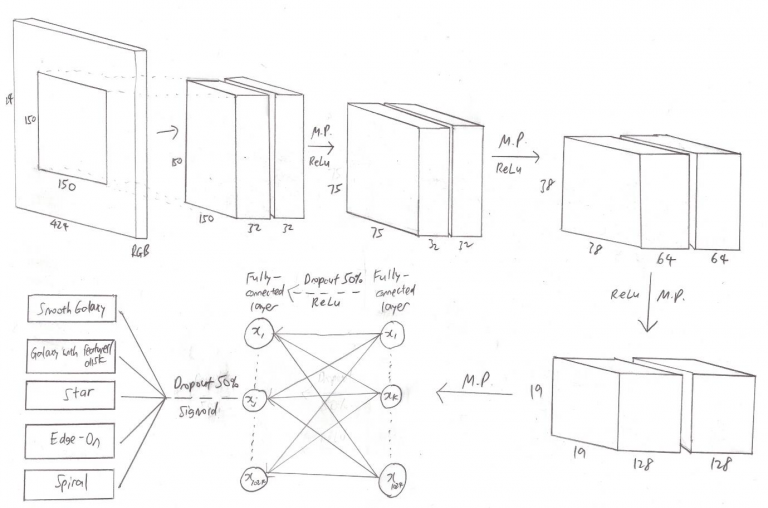
The second part involves training photometric features with morphological features from the Galaxy Zoo. The Galaxy Zoo is a crowd sourcing project where online citizens can contribute by classifying galaxies through a decision tree process into various categories. Using deep learning algorithms (Convolutional Neural Networks), we use images from the galaxy zoo database and train a reliable mathematical model to predict the morphological classification of a galaxy. Some features include if the galaxy has a spiral or if the galaxy is edge on.
I also focused on optimizing results to reduce cost function by experimenting with various architecture of CNNs. The final model has a total of 10 layers: 8 convolution layers, 4 max pooling layers, 2 fully connected layers. We achieve a root mean squared error of 0.117 when validated against an unseen dataset with over 200 epochs.
IoT Datathon 2017
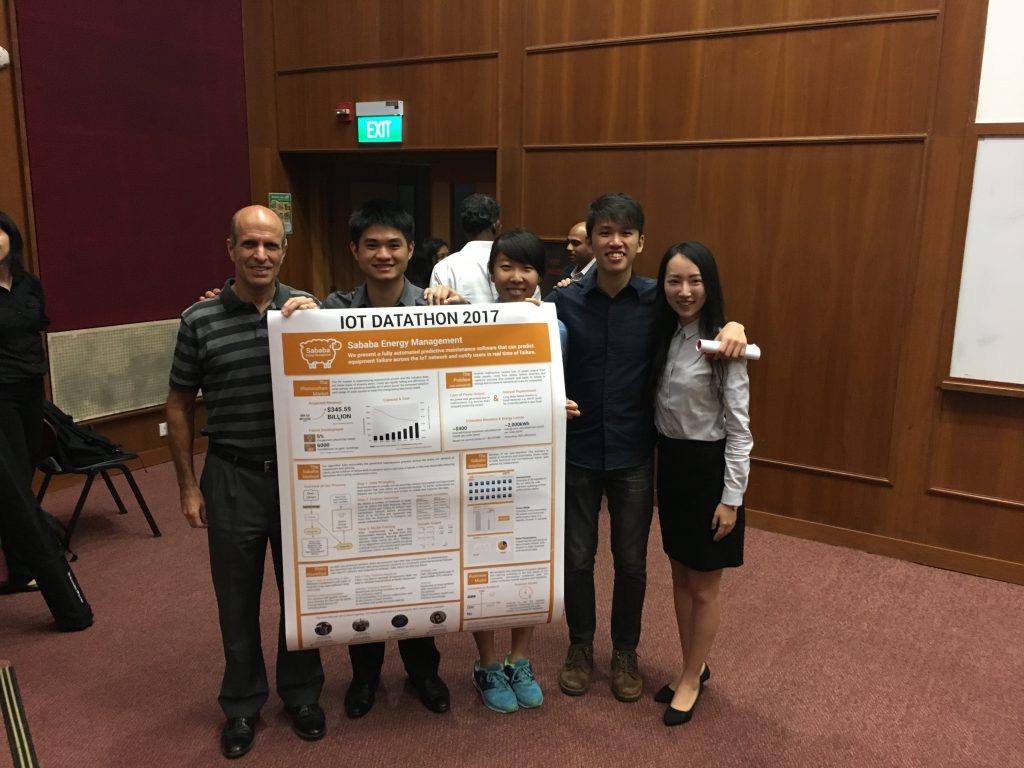
– Worked on a real world predictive maintenance project. My main role in the team includes technical solution and brainstorming of ideas.
– Created a proof of concept, experimented with various machine learning methods and built a viable algorithm to help predict failures based on historical data
– Pitched AI powered solution to industry partners, investors and governmental organisations. We won first place and were given the opportunity to scale the project
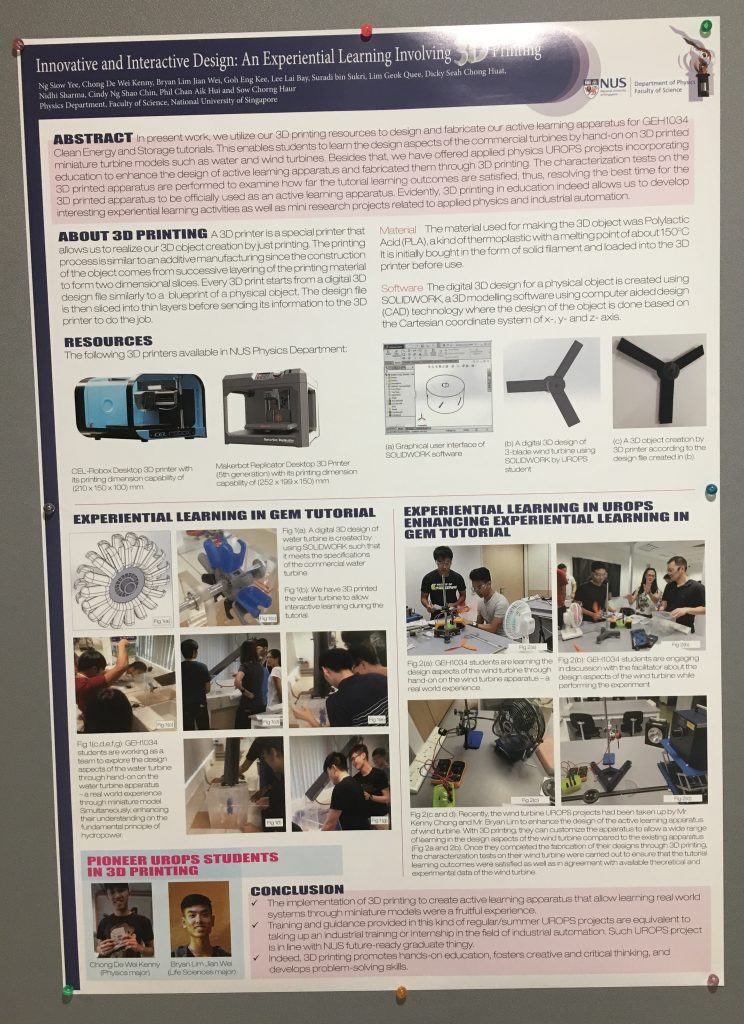
Undergraduate Research Opportunities Programme in Science (UROPS)
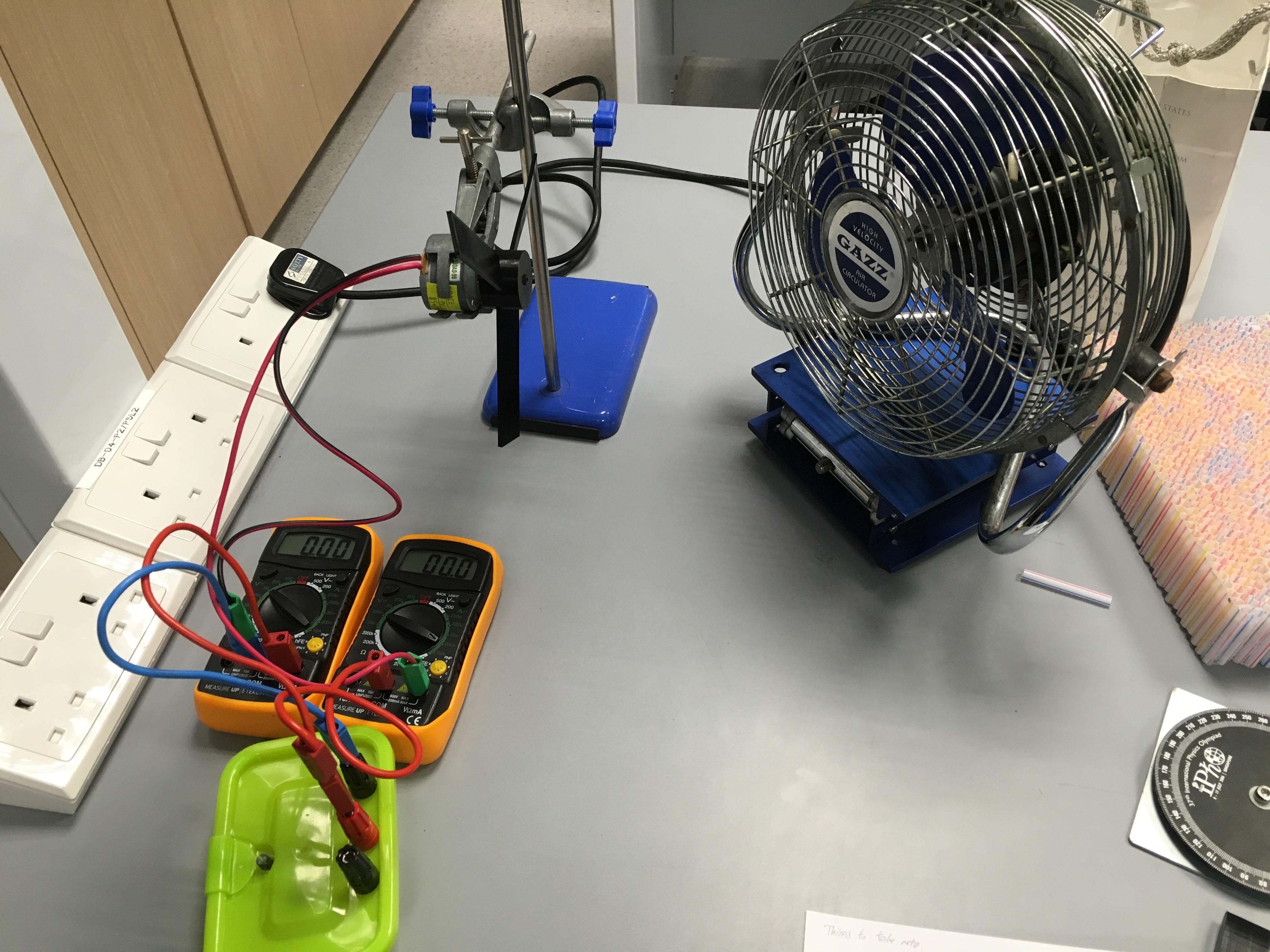
– The requirement for this project is to create an active learning apparatus on renewable wind energy for university students.
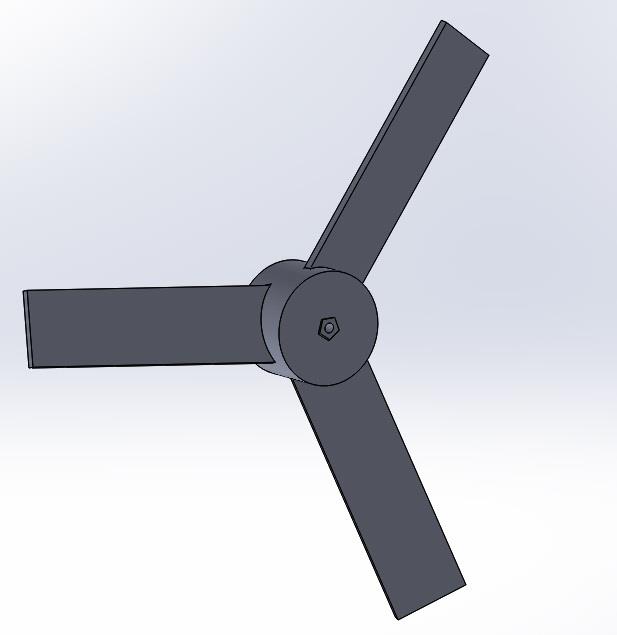
– We worked on constructing a wind turbine prototype from scratch using 3D printing (SOLIDWORKS). The wind turbine needs to designed in a way such that all variables (number of blades, length of blades, blade angle, yaw mechanism, blade shape, velocity) from the equation can be explored.
– The wind turbine is subsequently used for a course as teaching material to university students and the project is later further developed.